
Cliff Asness: “We See An Attractive Market For What We Do”
Tuesday, July 7, 2026 · Johnny Hopkins
Investor enthusiasm remains elevated, valuations are historically expensive, and artificial intelligence continues to dominate market narratives. Yet for Cliff Asness, the current environment does not meet the extreme conditions required for him to declare another full-blown bubble.
Asness has seen genuine speculative excess before, most notably during the dot-com boom and the post-pandemic surge that peaked in 2020. Those experiences have made him cautious about applying the bubble label simply because stocks appear expensive.
“I have a high standard before saying bubble.”
That distinction matters today. The stock market remains concentrated, popular technology companies command premium valuations, and speculative behavior is clearly visible in certain corners. However, Asness argues that expensive markets and genuine bubbles are not necessarily the same thing.
“A bubble to me has to be beyond the pale prices.”
One measure Asness watches closely is the valuation spread between expensive and cheap stocks. Historically, unusually wide spreads have created attractive opportunities for value-oriented investors. During the dot-com bubble and again around the pandemic-driven market extremes, those spreads reached extraordinary levels.
Today, conditions remain favorable for systematic value strategies, but they are not yet approaching the extremes that previously caused Asness to sound the alarm.
“We’re about 75th percentile now on our measures.”
That suggests investors are still seeing meaningful differences between expensive and inexpensive stocks, potentially creating opportunities for disciplined strategies. However, Asness does not believe current conditions justify aggressive attempts to time a market collapse.
“I don’t think I should scream bubble at the 75th percentile for me.”
The broader lesson is particularly relevant as investors debate whether artificial intelligence enthusiasm, market concentration, and elevated valuations are setting the stage for another major correction. Asness believes valuation can help investors identify attractive long-term opportunities, but it remains a notoriously unreliable short-term timing tool.
“Betting against a bubble is famously difficult.”
Even correctly identifying excessive valuations does not mean investors can predict when sentiment will reverse. Markets can remain expensive far longer than expected, punishing investors who move too aggressively against prevailing trends.
Asness therefore sees the current environment as attractive for selective value strategies without reaching the extraordinary conditions that defined previous bubbles.
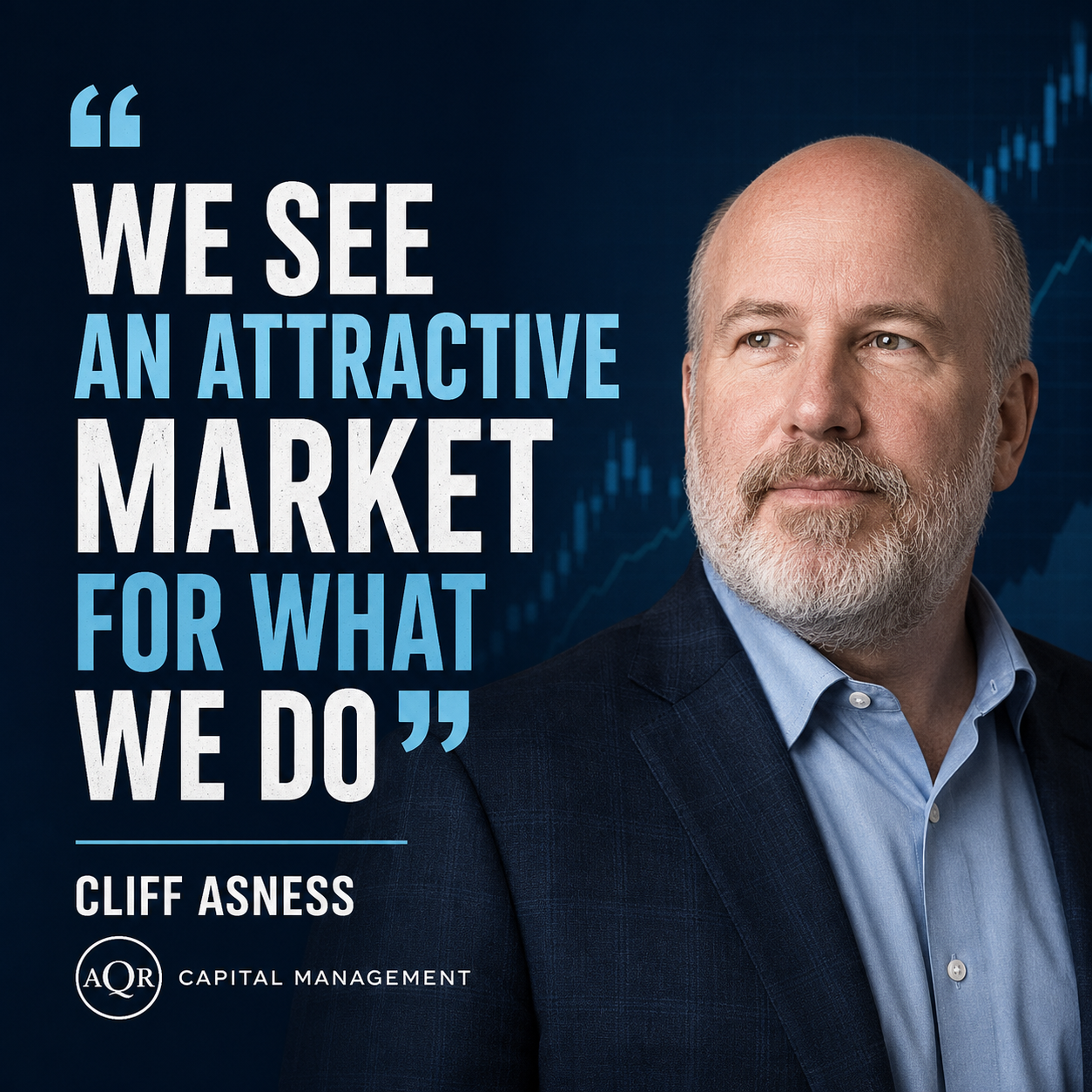
“We see an attractive market for what we do, but we do not, I’m not screaming bubble.”
For investors, that may be the most useful distinction. The market can be expensive, concentrated, and increasingly speculative without necessarily being on the verge of collapse. Rather than attempting to predict the exact moment sentiment changes, investors may be better served by maintaining diversification, focusing on valuation, and accepting that successful strategies inevitably experience difficult periods.
As Asness puts it, “Saying there are bubbles and saying you can make money from bubbles are not the same thing.”
Full interview here:
 AQR’s Cliff Asness Says Investors Are Repeating Dot-Com Era Mistakes
 Where Is the Deep Value in Small and Micro Caps This Week?
 AI Stock Market Bubble: Can the Technology Succeed While Stocks Crash?