Cliff Asness: Do The Rational Strategy and Keep Repeating
Monday, January 26, 2026 · Johnny Hopkins
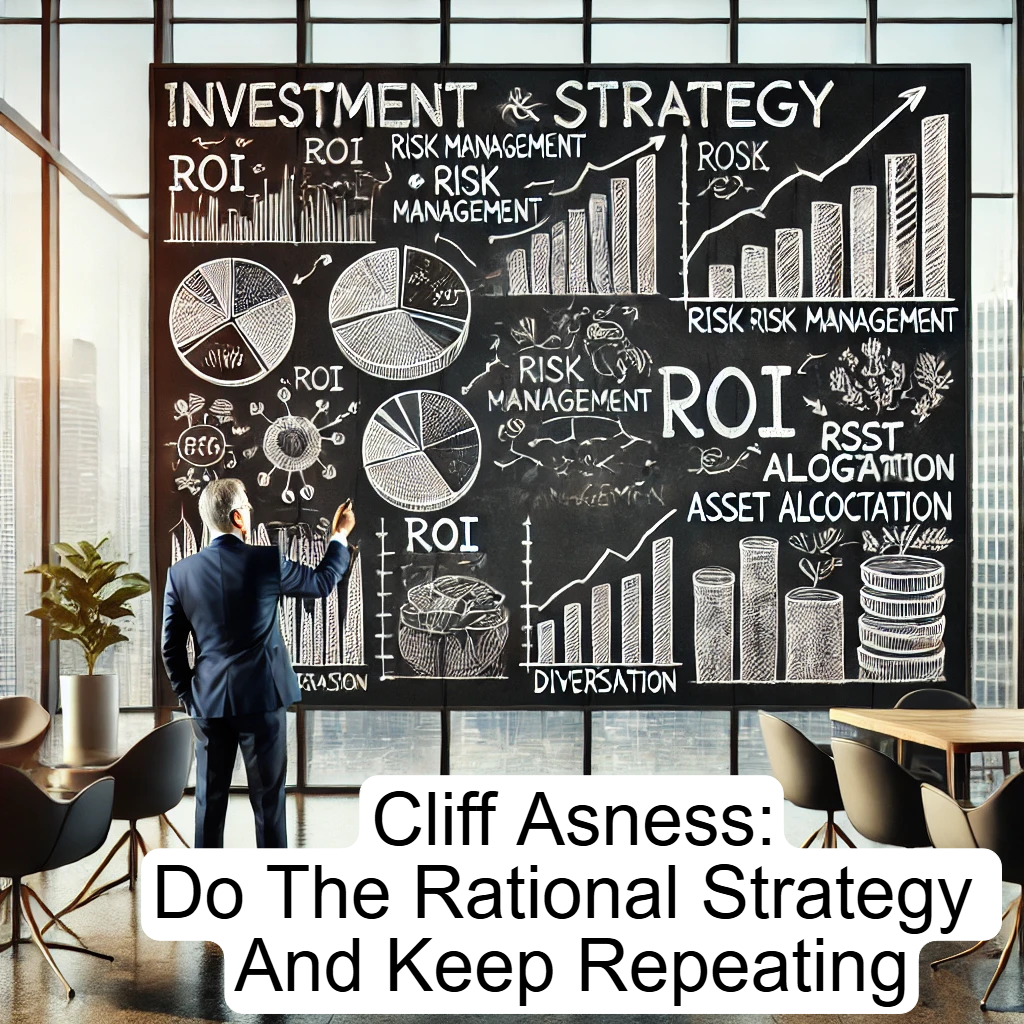
Cliff Asness has spent decades navigating the emotional and statistical terrain of markets, and this interview highlights how much of the game hinges on behavior. As he put it, “people debate whether prospect theory is real… it’s very real to me.”
Gains and losses are not symmetrical in the mind, and investors feel the difference. “It feels about a third as good as the equivalent bad year feels bad,” he said, underscoring the persistent penalty investors impose on their own confidence during downturns.
Yet Asness does not retreat when markets punish. He explained that during difficult stretches “we do get more aggressive in the sense of being out there… explaining,” particularly when losses reflect valuation dislocations rather than deteriorating fundamentals. The logic is simple: if prices rather than earnings drive a drawdown, opportunity widens. “If it’s just prices doing this, then I get more aggressive just cuz I believe in it.”
That conviction was tested during the dot-com era. Asness recalled that “the tech bubble… was a value disaster,” and that valuation spreads eventually became so distorted that mean reversion was not speculation but arithmetic.
The episode returned in a different costume two decades later when the meme-stock phenomenon seized retail attention. The shift was fueled by apps that made markets resemble entertainment. Asness noted that some users “can’t distinguish FanDuel from Robin Hood. It’s just an app.”
The frenzy created new moral hazard. Investors treated volatility like a feature rather than a cost, embracing strategies such as martingale doubling.
Asness observed that promoters pitched it as a system where “you keep doubling and eventually you win” while ignoring “the risk of ruin.”
That pattern — returns hyped and risks downplayed — tends to appear whenever leverage collides with illiquidity. The host captured it bluntly when he said, “it isn’t if you’re going to die, it’s when you’re going to die.”
Asness also stressed the discipline required for long-horizon strategies. Overrides during stress can appear rational in the moment but are damaging in aggregate.
During the financial crisis many quants overrode their model, while he and his firm “didn’t do that.” The ability to survive turbulence without abandoning the playbook is an edge, even if it means looking wrong temporarily.
In the end, the battle is not just statistical but psychological. Losses hurt, fads seduce, and price deviations tempt hasty conclusions. Asness summarized the requirement succinctly: investors must “do the rational strategy and keep repeating,” even when every instinct argues otherwise.
You can watch the entire interview here:
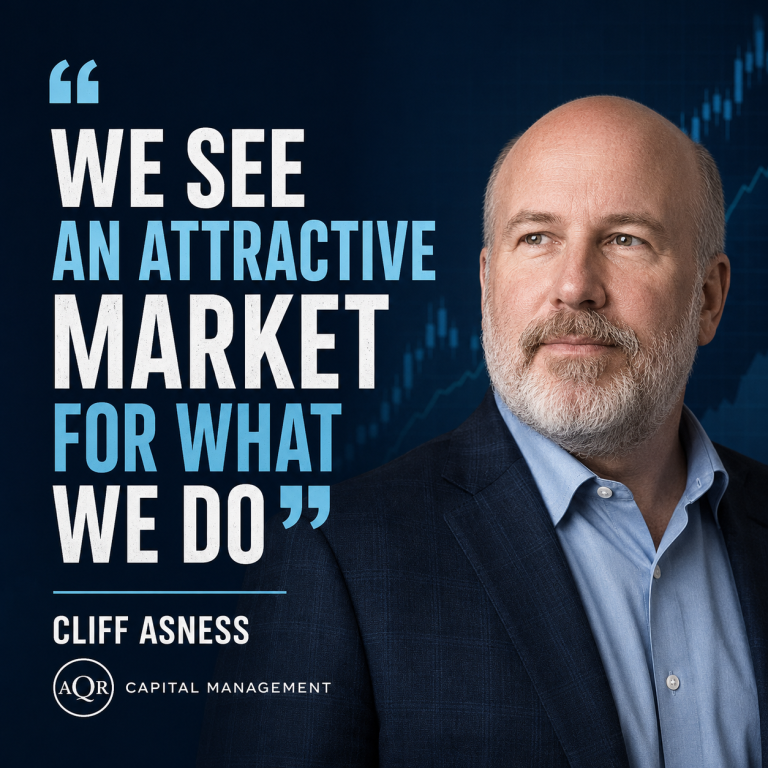 Cliff Asness: “We See An Attractive Market For What We Do”
 Where Is the Deep Value in Small and Micro Caps This Week?
 AI Stock Market Bubble: Can the Technology Succeed While Stocks Crash?