
How International Value Investing Has Changed Over the Last 25 Years
Monday, July 27, 2026 · Johnny Hopkins
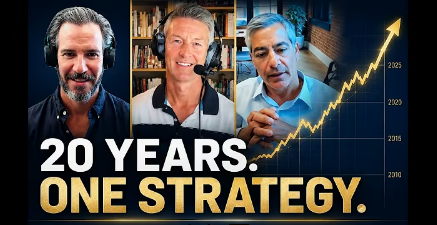
During their recent episode, Taylor, Carlisle, and David Samra discussed How International Value Investing Has Changed Over the Last 25 Years. Here’s an excerpt from the episode:
[David] Well, I think that if we try to put aside in style-based cycles, we tend to ignore that sort of thing and think about just the change in the dynamic. I teach now at Columbia Business School, and in my first class, I say, what are the differences between investing inside the US and outside the US? I start with, well, not everybody speaks English, and they’re awake when you’re asleep, and you’re asleep when they’re awake.What I’m trying to get at is 30 years ago, those very simple points were much more accentuated. Disclosure was really poor. Disclosure in English was almost non-existent.
There was no internet. You had to get on a plane and go just to get information, and if you had that information because very few people were doing this, you were at a huge competitive advantage just having the information, especially as you started to go down the market cap range. I remember 30 years ago, even large companies like Nestle, the frequency over which they would report, the accounting standards that they would use had much less disclosure than what you would get in the United States, and so the complexity way back when was much higher than it is today.
Then as the capital markets developed, and so what that means, just to keep it clear in everybody’s mind, a lot of the capital for companies outside the United States used to be provided by local banks, and the equity capital markets were just a secondary source of funding. I’m not talking about Australia, New Zealand, the old UK empire.
Canada was well-developed at the time, and even Hong Kong was reasonably well-developed, but places like Japan, most of Europe, and then you get into emerging markets like India, and it’s just completely the wild west, but as capital markets started to develop and companies became more reliant on the stock market for capital, and the investment banks expanded across the globe, combined with the internet, the advent of the internet, disclosure improved, your ability to communicate with companies improved dramatically, and their valuations improved.
To go along with that, as people started to appreciate, hey, there are actually some pretty good companies that are outside the United States, and they deserve more than a perfunctory look and some decent valuations, and that required us to evolve along with that, because it was no longer, you didn’t just have to go.
You had to become a competitive business analyst and a true investor that understood how businesses operate and what the difference is between a good business and a bad business, and what’s valuable and what’s not valuable, and that skill set, and not everybody was able to make that transition, and then the other transition that we specifically made.
Having gone from managing small amounts of money to managing larger amounts of money, is to be able to effectively work with some of our investees, not that we really want to do that, but when you have a large stake in a business, call it $2 billion, and something’s going wrong, and it’s not going the way that you had thought, you initially handicapped it, that it might go, well, if you want to get out, it’s not a $2 billion transaction, it’s a $4 billion transaction, because you’ve got to sell $2 billion, which is hard, and it has market impact, and then you’ve got to find a replacement, which is another $2 billion, and then you’ve got to get in, which is also hard, and that has a big impact.
So you want to think twice about that and say, okay, if I work with the board or I work with the management team, maybe there’s a way we can solve this problem, and that’s a different set of tools that you’ve had to pick up along the way and learn how to use them effectively and communicate with people and help motivate people to do things that have a good outcome for investors and shareholders, so that’s really, in a nutshell, how things have changed over the course of my career.
 Undervalued REITs: Finding Opportunities in Commercial Real Estate
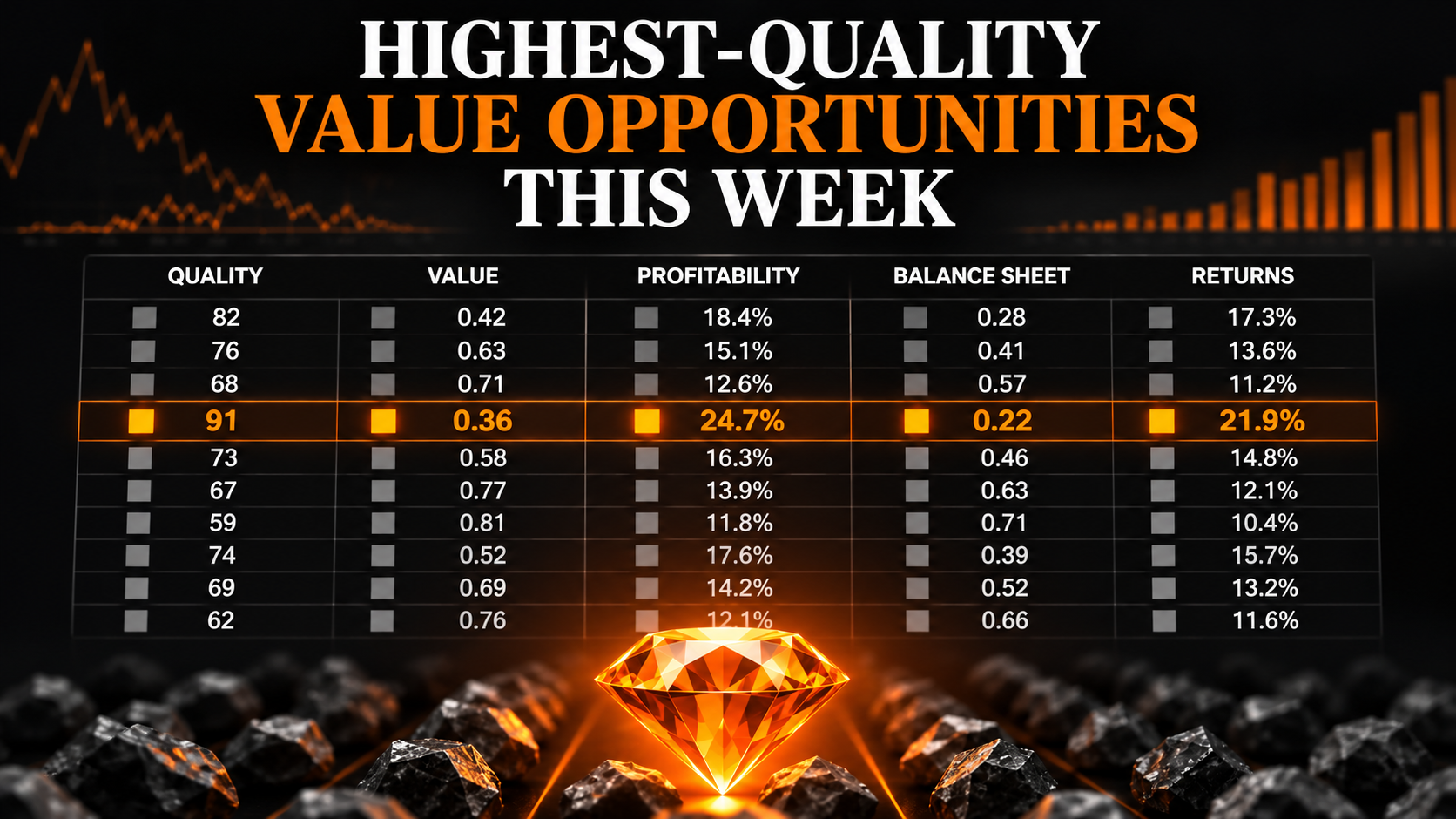 Where Are the Highest-Quality Value Opportunities This Week?
 AI Spending Boom: Are Big Tech Companies Taking on Too Much Debt?