Greg Abel Emphasizes Stewardship and Capital Discipline in First Berkshire Letter
Tuesday, March 3, 2026 · Johnny Hopkins
Greg Abel’s first annual letter as CEO of Berkshire Hathaway offers investors a clear view of how the company intends to carry forward a culture built over decades. The message is not about dramatic shifts in strategy. Instead, it emphasizes continuity in stewardship, capital discipline, and long-term thinking.
Early in the letter, Abel frames the relationship between management and shareholders in simple terms: “Your capital is commingled with ours, but it does not belong to us. Our role is stewardship.”
This statement captures the central principle that has long defined Berkshire’s approach to investing and corporate governance. Management’s responsibility is not merely to generate returns but to protect and compound capital over time.
That stewardship mindset helps explain why Berkshire places such weight on culture. Abel writes that the company’s culture and values are “not the result of our success, but the reason for it.”
Investors evaluating Berkshire often focus on its vast portfolio or insurance operations, yet the letter argues that the real advantage lies in a durable operating framework guiding decisions across hundreds of businesses.
A key component of that framework is decentralization. Berkshire continues to rely on leaders running operating companies with significant autonomy.
Abel reinforces the importance of that model, noting that “Decisions are made faster, with better knowledge and greater conviction, when they are made by those who are closest to the business and have accountability for its outcomes.”
For investors, this structure reduces bureaucracy while allowing capable managers to act with the speed required in competitive industries.
Integrity remains another pillar. Berkshire has long emphasized reputation as a strategic asset, and Abel reiterates that standard through Warren Buffett’s famous guidance: “Lose money for the firm, and I will be understanding; lose a shred of reputation for the firm, and I will be ruthless.”
That perspective reflects an understanding that trust from customers, regulators, and shareholders compounds just as financial capital does.
The balance sheet also remains central to Berkshire’s strategy. Abel underscores that strength directly, writing, “We maintain a fortress-like balance sheet, ensuring Berkshire’s foundation is never compromised.” With significant liquidity, the company can act decisively when opportunities appear and remain resilient during difficult periods.
Perhaps the most telling part of the letter is its emphasis on patience. Berkshire’s approach to deploying capital has not changed. As Abel explains, the company will “assess value carefully, act patiently, and hold for the long term – preferably forever.”
For investors, the takeaway is straightforward. Berkshire’s leadership transition does not signal a new investing doctrine. Instead, the letter reinforces a philosophy grounded in disciplined capital allocation, decentralized leadership, and a culture designed to endure long after any individual executive.
You can read the entire letter here:
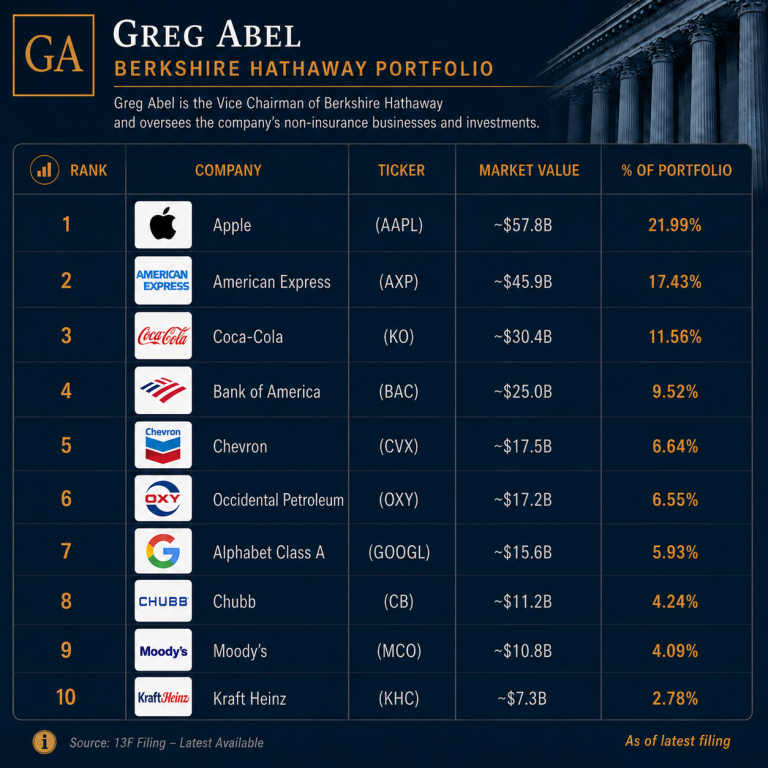 Greg Abel’s Berkshire Hathaway Portfolio: Biggest Buys, Sells, And Top Holdings Revealed
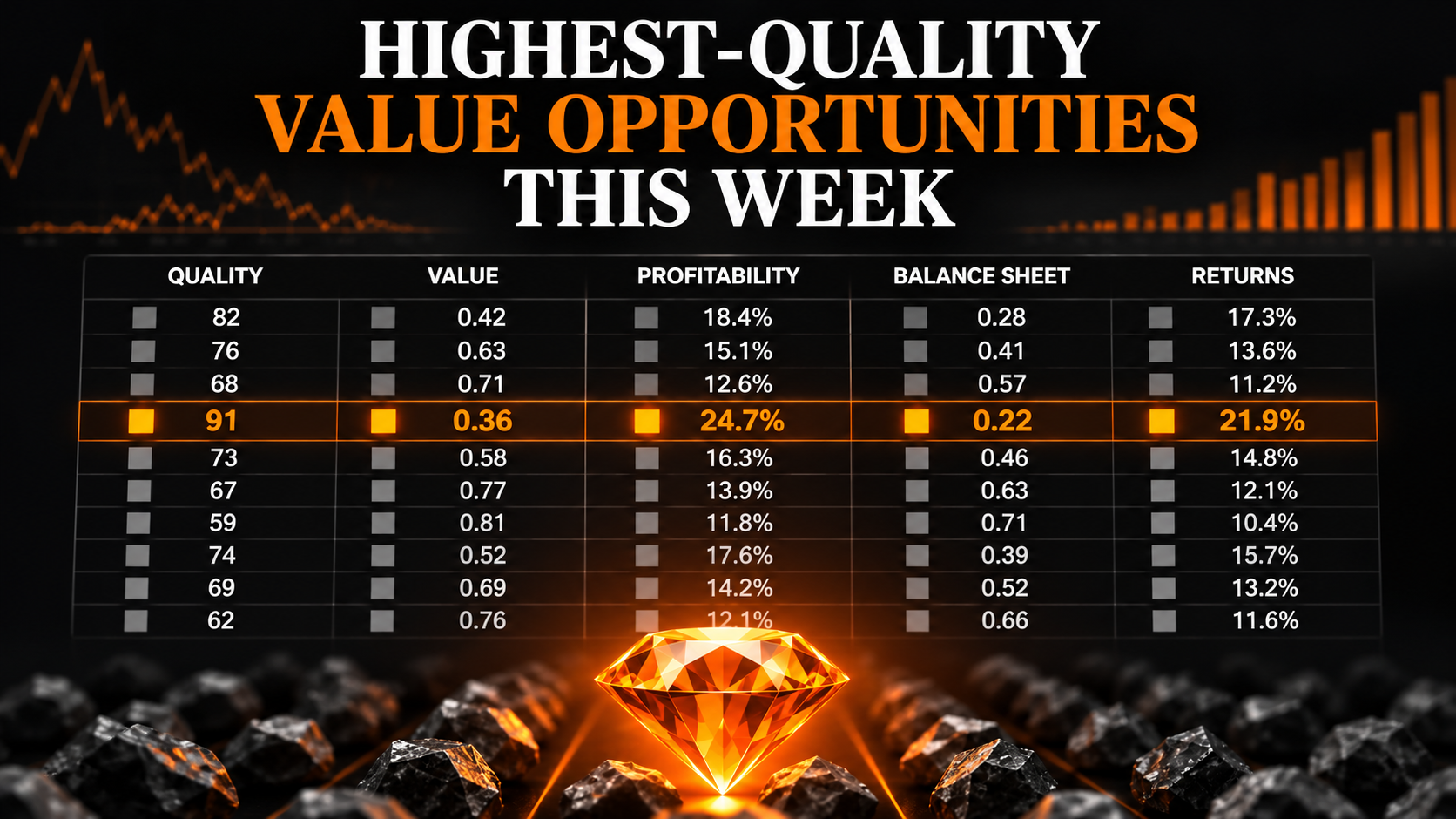 Where Are the Highest-Quality Value Opportunities This Week?
 AI Spending Boom: Are Big Tech Companies Taking on Too Much Debt?