
Why Ray Dalio Says Capital, Not Trade, Is the Real Market Battleground
Tuesday, February 3, 2026 · Johnny Hopkins
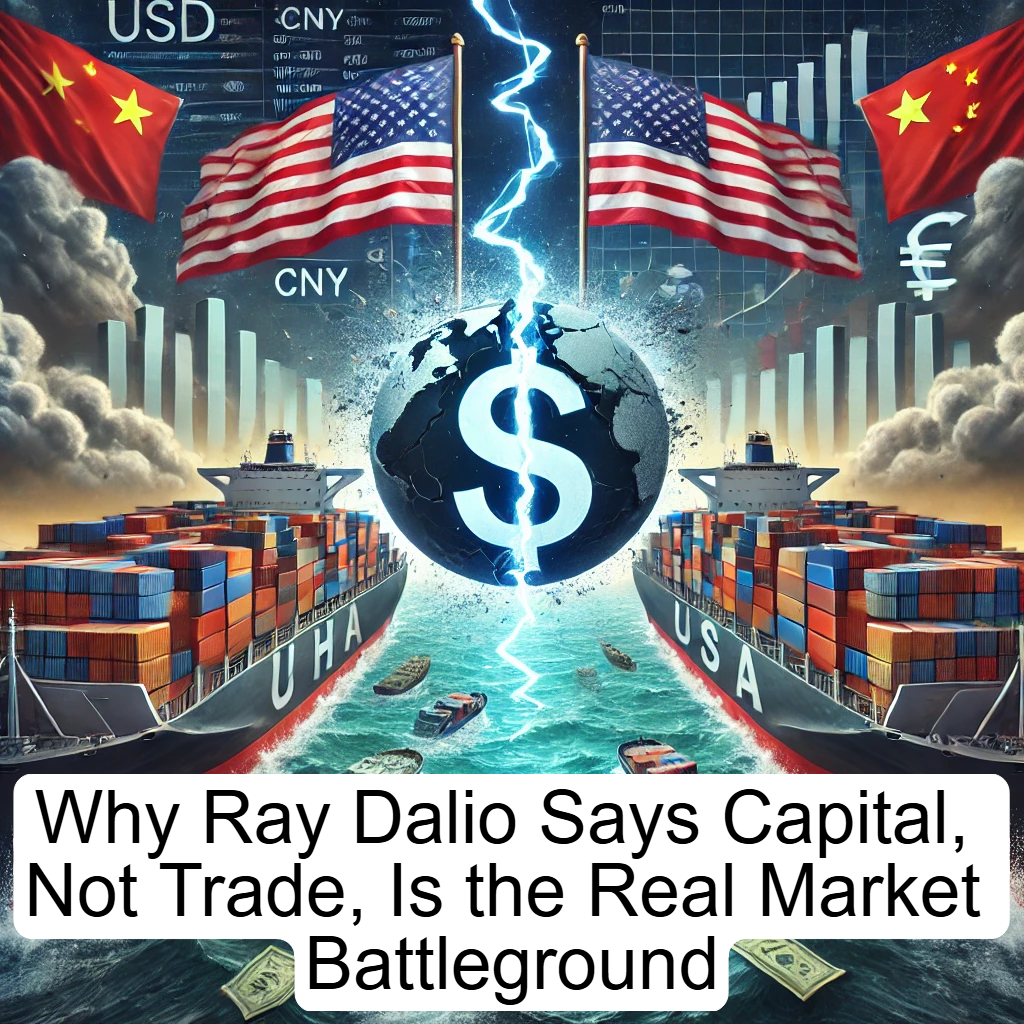
Markets often react to headlines, but Ray Dalio’s recent remarks in his interview at Axios highlight how surface-level interpretations miss deeper mechanics that investors ignore at their own risk. Speaking amid escalating tariff threats and shifting policy signals, Dalio framed recent volatility as part of something far larger than day-to-day politics.
“Well, very simply, there’s a monetary order that has to do with what is money that can be the opposite of a trade war, can be a capital war.”
That distinction matters for asset allocators, because capital flows, not slogans, ultimately drive prices. Dalio warned that “there’s not been enough discussion of what is going on with capital or how you can have a capital war,” even as markets briefly priced in escalation risk.
As tensions rose, asset behavior followed familiar patterns. “You could see as that approached what you saw was stocks and bonds going down, gold going up.”
Dalio emphasized that gold’s role is misunderstood by many investors: “Don’t think of gold as a metal that there’s a speculative market in. Think about it as the money that central banks treat as a money.”
That framing helps explain why central bank behavior has quietly shifted in recent years.
“You can see for example what are central banks doing with their reserves,” Dalio noted, adding that “they’re lessening the mix on fiat currency and dollars and acquiring gold.”
This is not ideological positioning but risk management. “When you hold a currency, you’re holding a debt instrument,” and history has shown that political stress can alter repayment outcomes.
Dalio’s long-term lens comes from lived experience. Recalling August 15, 1971, he described watching the monetary system change in real time. “I thought that boy that’s a bad big deal,” yet markets rallied. The lesson was enduring: “When we look at the prices of things through the lens of the value of money, they go up. Because the value of money goes down.” For equity investors, nominal gains can mask underlying erosion.
That framework helps reconcile strong index performance with rising macro strain. “If there’s a depreciation in the value of money, it makes everything look like it’s going up.” Liquidity, not optimism, can be the dominant driver.
Dalio ultimately tied markets to broader structural forces. “The monetary order is changing. The geopolitical order is changing. The domestic political order is changing.”
These shifts interact with debt dynamics, political conflict, and technological competition, creating feedback loops investors must recognize.
For those focused only on quarterly results, these comments may feel abstract. But Dalio’s message is practical: understand cause-and-effect mechanics, watch capital behavior, and recognize that price signals often reflect currency dynamics as much as fundamentals. Ignoring that reality can leave portfolios exposed just when stability appears strongest.
You can watch the entire interview here:
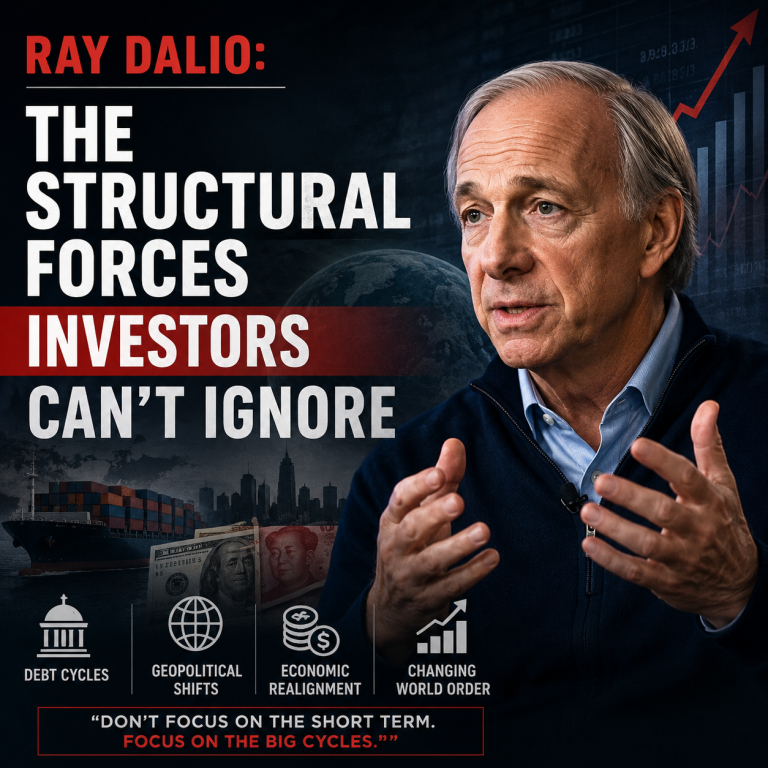 Ray Dalio: The Structural Forces Investors Can’t Ignore
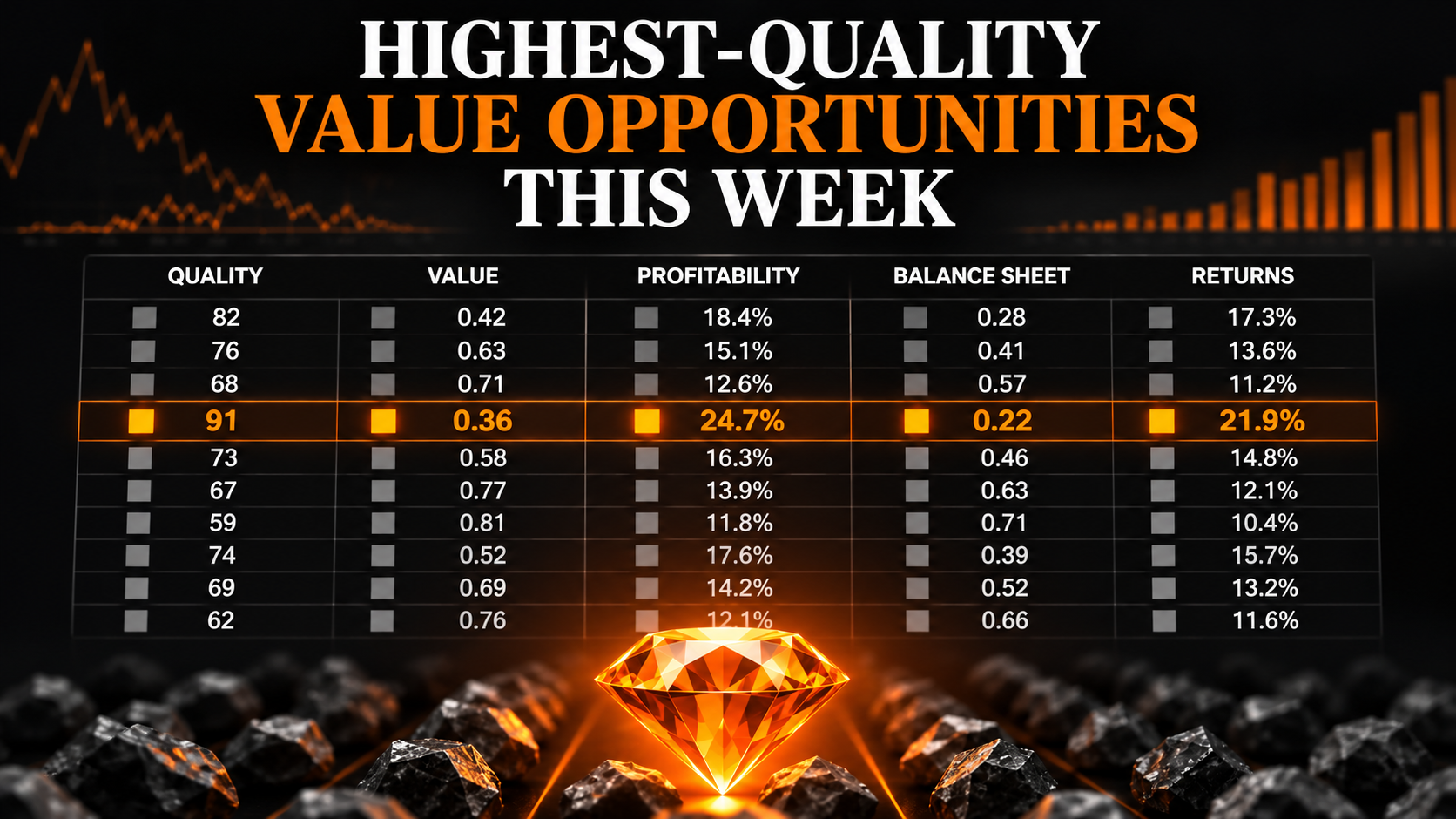 Where Are the Highest-Quality Value Opportunities This Week?
 AI Spending Boom: Are Big Tech Companies Taking on Too Much Debt?