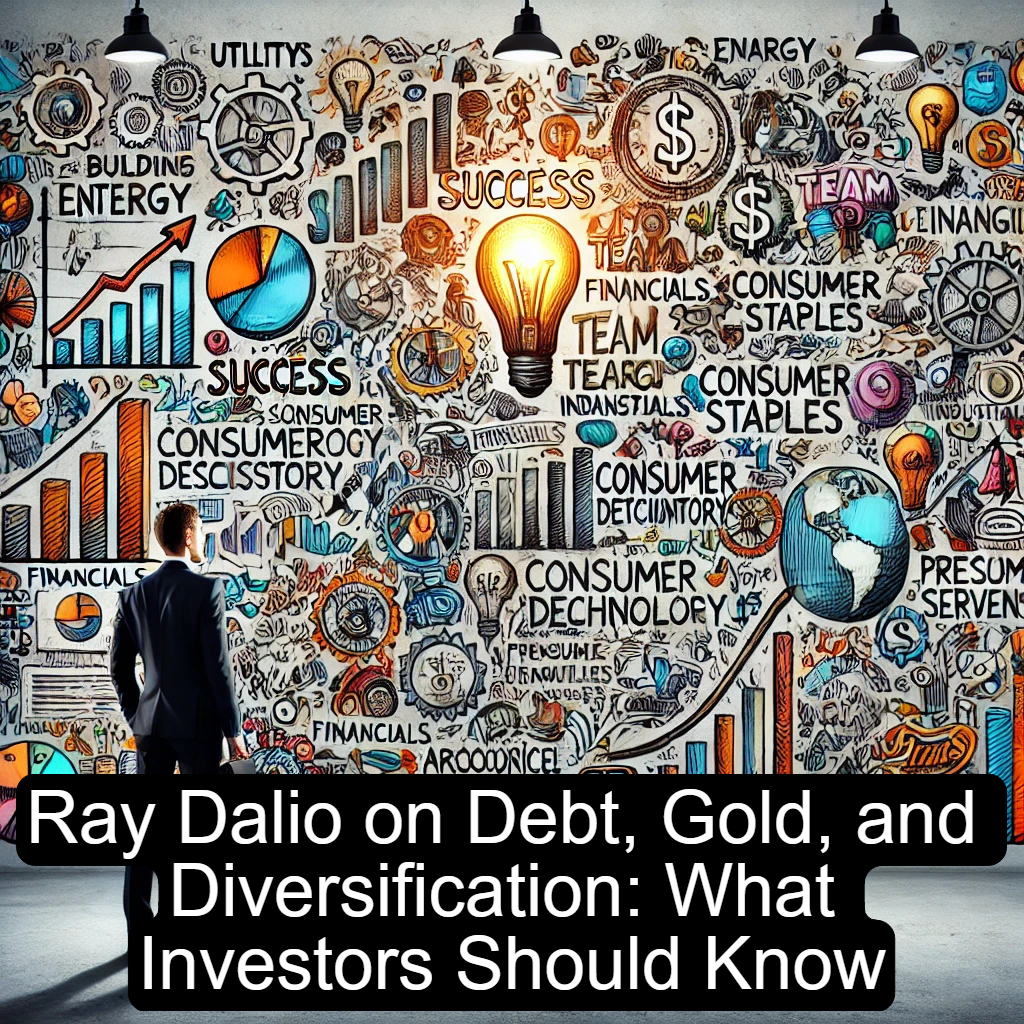
Ray Dalio on Debt, Gold, and Diversification: What Investors Should Know
Tuesday, February 17, 2026 · Johnny Hopkins
Markets rarely move in isolation, and Ray Dalio’s recent comments in his interview with ‘WTF is Finance’ emphasize how finance connects to larger economic and political cycles. As he explained, “There are two important ways to invest. The first is, what if you can’t beat the market? Most people can’t beat the market.” That simple observation reframes investing away from constant outperformance and toward thoughtful asset allocation.
Dalio consistently stresses diversification before speculation. He argues investors should begin with a resilient mix rather than aggressive timing calls.
In his words, “That portfolio should be a well-diversified portfolio that assumes you can’t market-time.” For many investors, especially newer participants, that approach may offer more durable results than chasing short-term momentum.
His concerns extend to monetary conditions as well. Dalio bluntly summarized the structural issue: “Money is debt and debt is money.”
Rising debt burdens across major economies, in his view, make traditional cash holdings less attractive. This perspective helps explain his longstanding interest in alternative stores of value such as gold.
He offered clear portfolio guidance on that front. According to Dalio, “Most investors should have between 5% and 15% of their portfolio in gold or in alternative money.”
The rationale is less about return maximization and more about diversification during periods of monetary instability.
Dalio also highlighted a distinction many investors overlook: the gap between perceived wealth and usable liquidity. He cautioned that “wealth goes up, and people feel wealthy, but their wealth isn’t worth anything if you don’t sell it, convert it into money to spend.”
This insight speaks directly to speculative equity rallies where paper gains may not translate into realized purchasing power.
Beyond portfolio construction, Dalio’s macro framework focuses on overlapping forces shaping markets. He outlined debt cycles, political polarization, geopolitical competition, climate factors, and technological innovation as the dominant drivers of economic change. Investors who monitor these themes may gain better context for long-term positioning.
Despite macro complexity, Dalio’s core advice remains surprisingly practical. “Play the game,” he said, encouraging younger investors to gain real-world experience while learning from more seasoned participants. That experiential approach aligns with the idea that financial skill develops through cycles rather than textbooks alone.
Ultimately, Dalio’s perspective suggests balance: diversification first, humility about forecasting, and awareness of structural forces shaping returns. Investors who internalize those principles may find themselves better prepared for volatility, regardless of whether markets are driven by innovation, liquidity, or shifting economic regimes.
You can watch the entire interview here:
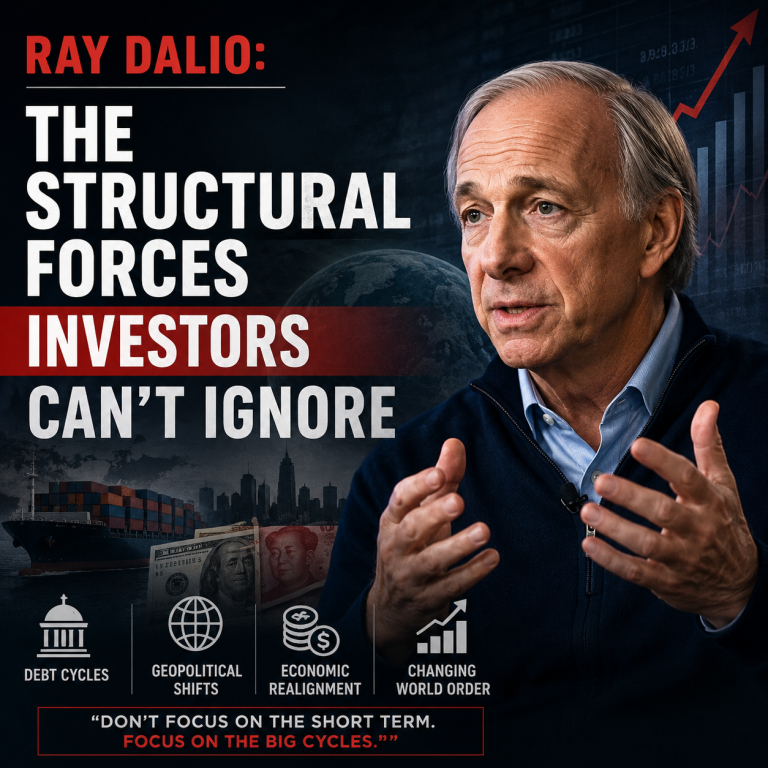 Ray Dalio: The Structural Forces Investors Can’t Ignore
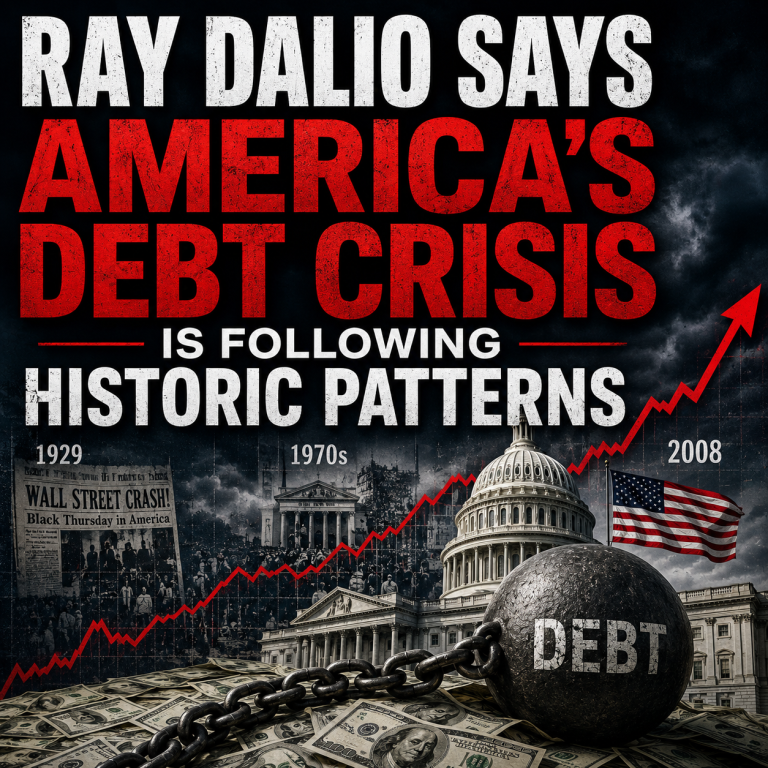 Ray Dalio Says America’s Debt Crisis Is Following Historic Patterns
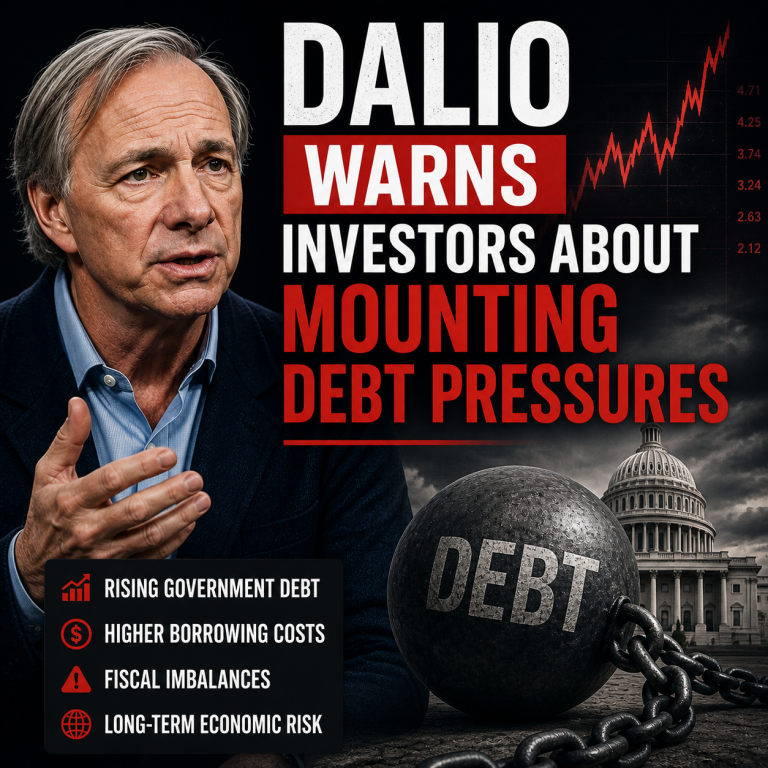 Dalio Warns Investors About Mounting Debt Pressures