
Jeremy Grantham: AI Stocks Could Repeat Railroad and Dot-Com Bubbles
Monday, January 19, 2026 · Johnny Hopkins
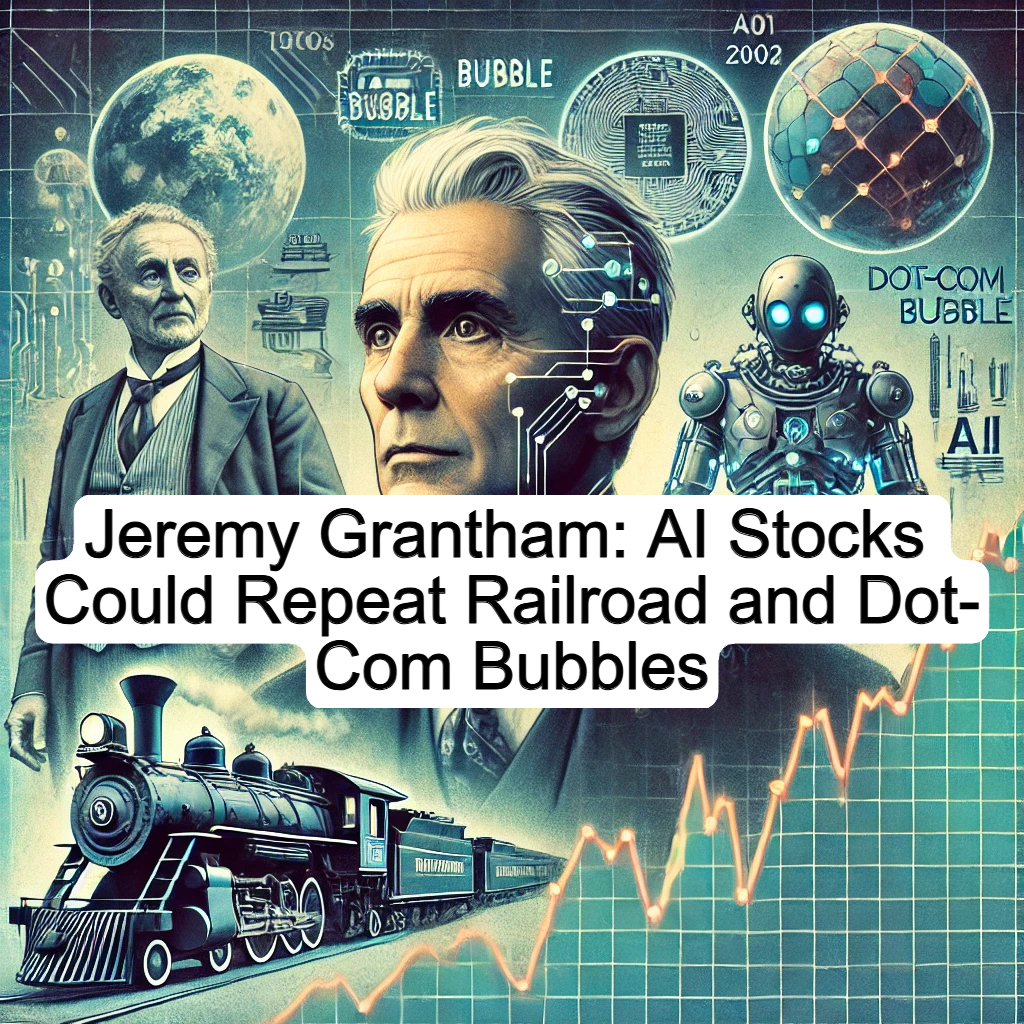
Investors have seen this movie before. A transformative idea takes hold, capital pours into a narrow set of beneficiaries, valuations disconnect from traditional return expectations, and the narrative becomes so compelling that skepticism feels foolish.
Jeremy Grantham argues that artificial intelligence now fits that pattern, noting that “it meets every condition of the railroads and the internet. It’s a powerful idea that’s attracted everybody’s money. No one has any doubts.”
To Grantham, the certainty is part of the problem. As he puts it, “they had no doubts about the railroads and the Internet. Why would they? They were brilliant ideas.”
The trouble is not the long-term importance of the underlying technology. Bubbles attach themselves to ideas that are too good to ignore. The railroads ultimately reshaped commerce, and the internet produced giants such as Amazon, which “in the break, came down 92%” before recovering and going on to “inherit the world.”
The template is consistent: a transformational theme drives enormous capital spending, the leaders overshoot, and then the bust arrives long before the fundamental promise is fulfilled.
Grantham applies the same reasoning to the present moment. Nvidia and its peers have become the financial embodiment of AI’s potential, supported by a wave of capital expenditures so large that “without the CapEx associated with AI, of course, we would have been a flat to down economy.”
But like every other great bubble, the starting valuations matter. Grantham warns that “the higher the market, the lower the returns will be,” because “if you double the price of an asset you halve the return from holding it from there on.”
To him, the question is not whether AI changes business activity, but whether investors have already paid too much for that change.
As he sees it, the probability that AI does not bust is “slim to none,” yet the leaders are likely to “lead it down and all the others will follow for a while.” Only later, like prior winners, may they “once again inherit the world.”
For asset allocators, the implications are twofold. First, long-term returns hinge on starting valuations, not the brilliance of the theme.
Second, investors without institutional constraints can behave more rationally. Grantham stresses that individuals “have a huge advantage. Lack of career risk. They could really nail it.”
When bubbles become obvious by price and sentiment, one can “get your tail out of the market” and rotate toward what is merely reasonable rather than euphoric.
None of this denies the potential of AI. It simply argues that history’s most profitable ideas have often been better investments after their bubbles burst than before.
You can watch the entire interview here:
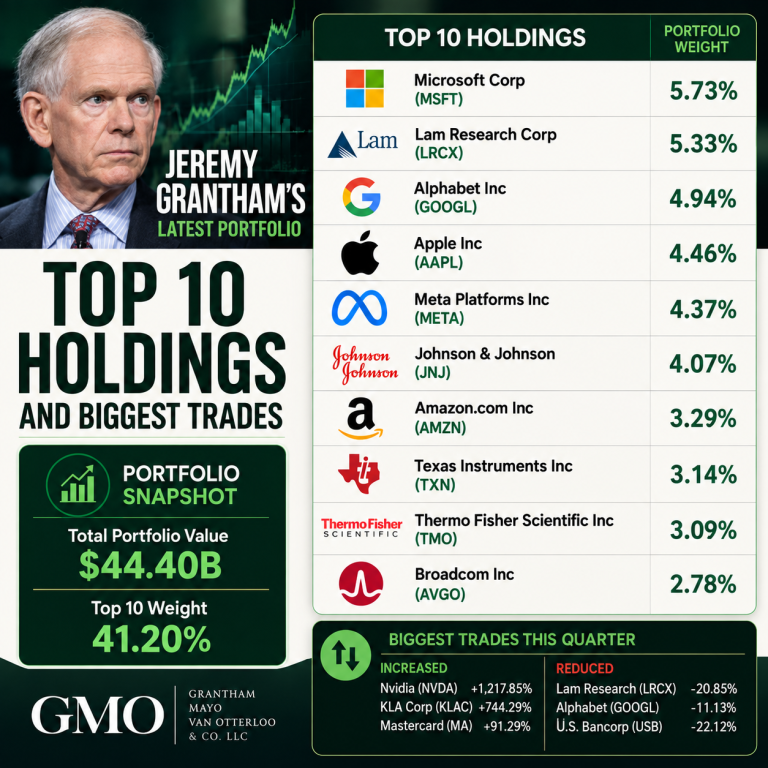 Jeremy Grantham’s Latest Portfolio: Top 10 Holdings & Biggest Trades
 Where Is the Deep Value in Small and Micro Caps This Week?
 AI Stock Market Bubble: Can the Technology Succeed While Stocks Crash?