Ray Dalio’s Warning: The Debt Crisis No One Is Pricing In
Monday, July 28, 2025 · Johnny Hopkins
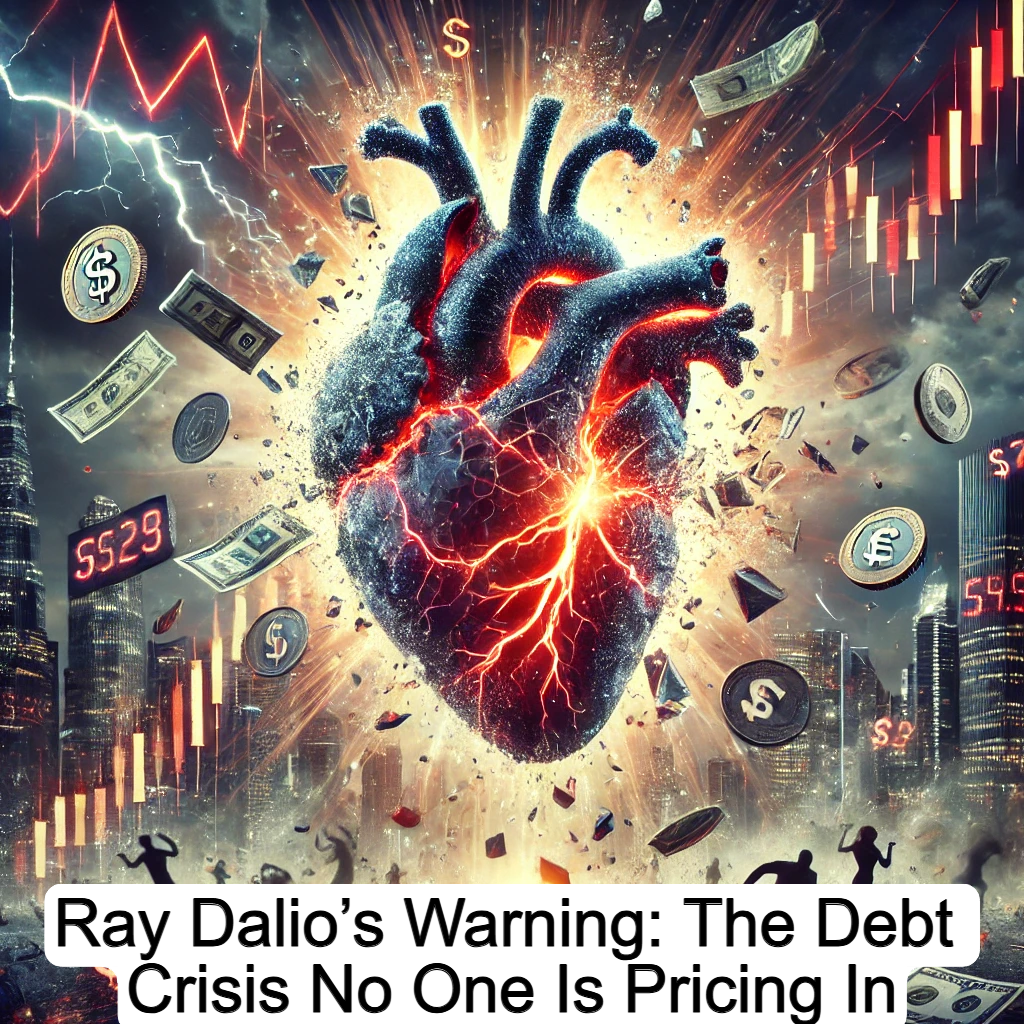
In a recent interview, Ray Dalio’s analysis reveals a looming economic reckoning most investors are ignoring. “The US government spends $7 trillion a year. It takes in $5 trillion a year,” he explains, painting a stark picture of unsustainable deficits. The result? A “supply of debt that the US will have to sell is about $12 trillion” annually—a tidal wave of borrowing that risks triggering an “economic heart attack.”
Yet markets remain complacent. “Until these things actually start to happen, you get this complacency,” Dalio warns, drawing parallels to his prescient 2008 warnings to the Treasury and ECB.
The core issue lies in the “long-term debt cycle,” where reserve currencies like the dollar face structural decline. “It’s not priced into the markets,” Dalio insists, urging investors to study history.
The British pound and Dutch guilder followed similar paths: “When debts and debt service payments rise to crowd out other spending, it’s like plaque in the circulatory system.” Today, the U.S. mirrors these precedents, with interest payments alone hitting $1 trillion yearly—“half that budget deficit.”
Dalio’s prescription? Diversify into “non-fiat currencies” like gold, which he calls “the second largest reserve currency.” While Bitcoin has “transaction benefits,” he prefers gold’s stability. “All [fiat currencies] will tend to go down together,” he predicts, echoing the 1970s stagflation playbook.
Beyond debt, Dalio highlights AI’s disruptive potential—but cautions against hype. Supercap tech stocks are “rather expensive relative to even optimists’ cash flow projections,” while biotech and productivity gains remain undervalued. “This is the biggest [productivity revolution], but it’s very unlikely to convert enough to service the debt in time.”
His final advice blends investing and life philosophy: “Make your work and your passion the same thing.” For portfolios, he stresses “a game plan that’s back tested” over emotional reactions. “Take care of your needs first, then play the game for returns.”
You can watch the entire interview here: