
David Einhorn: What A Decade Of Structural Under-Investment Means For Investors
Monday, June 13, 2022 · Johnny Hopkins
In his recent interview with the Sohn Conference Foundation, David Einhorn discussed what a decade of structural under-investment means for investors. Here’s an excerpt from the interview:
Einhorn: Our supply problems aren’t limited to a short-term inability to get goods from China but extend to a decade of structural under-investment and capacity in the so-called old economy.
For years there was no real interest in investing in cement, steel, concrete, fertilizer, chemicals, paper, mining, traditional energy, and housing.
Higher prices aren’t fueling new capacity, instead they’re fueling buybacks, as investors and managements don’t want to underwrite permanently higher prices or margins. Very low P/E multiples in these affected industries don’t inspire long-term capital commitments.
Normally high prices generate a supply reaction. Since this isn’t happening all the work to curtail inflation will have to come from the demand side. As a result prices will have to go much higher to dissuade substantial consumption. As such inflation is likely to be much more persistent.
As a side note and gratuitous reference to our portfolio, this lack of new supply means that companies in these industries are likely to earn excess profits for an extended period of time, making these sectors attractive long investments.
You can watch the entire discussion here:
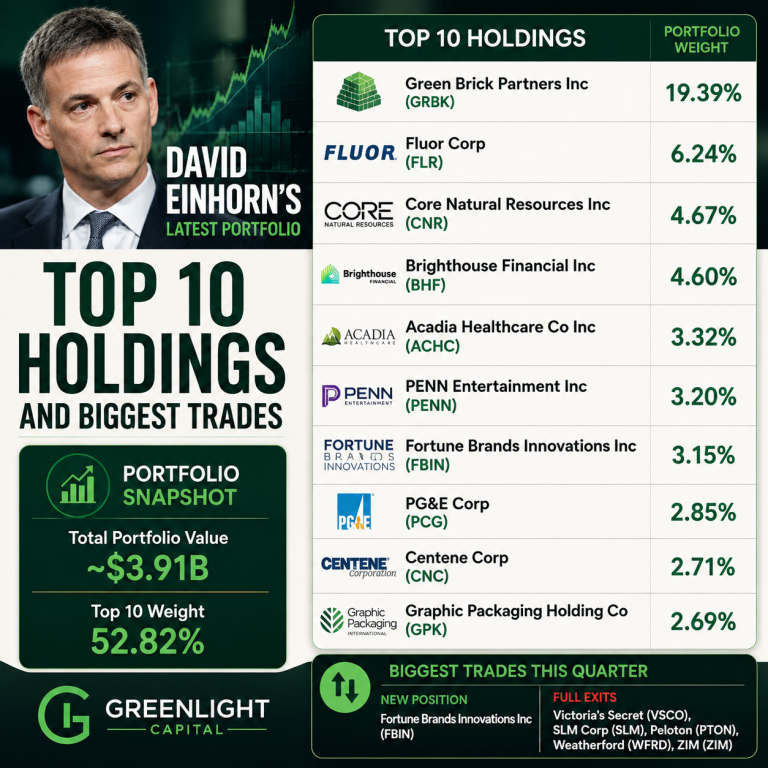 David Einhorn’s Latest Portfolio: Top 10 Holdings and Biggest Trades
 Where Is the Deep Value in Small and Micro Caps This Week?
 AI Stock Market Bubble: Can the Technology Succeed While Stocks Crash?