
Beware Of Companies With Complicated Accounting Policies
Tuesday, April 7, 2020 · Johnny Hopkins

During his recent conversation with Tobias, Stephen Clapham, founder of Behind The Balance Sheet, discussed the need to beware of companies with complicated accounting policies. Here’s an excerpt from the interview:
Tobias Carlisle:
Let’s talk about a specific company—or perhaps a few. Are you familiar with Tesla?
Stephen Clapham:
Oh, Tesla. Yes, people have very strong opinions about it. Personally, I don’t hold a definitive view on the stock itself, but I do think some of their accounting practices are highly questionable. I’ve debated the topic with quite a few people, including some at Baillie Gifford. Full disclosure: Baillie Gifford is one of my largest clients. They’re incredibly gifted investors, and I love going to Edinburgh to run training sessions there because the debates are always stimulating.
I remember during one of my first courses there, I said, “We’re going to talk about Netflix,” and I expected pushback because Netflix’s accounting is messy. But they responded with, “Don’t apologize—we’re interested.” That kind of open-mindedness, the willingness to explore counterarguments, is rare and makes for much better investing. Not every professional investor is that receptive.
We’ve had several debates about Tesla. In fact, we’re currently reviewing Tesla’s financials for a potential webinar series. The challenge is that Tesla’s numbers are incredibly complex. You don’t have a steady-state business to analyze—it’s been scaling rapidly, launching new models, opening factories in places like China. So when a ratio shifts, it’s hard to say whether it indicates a red flag or simply operational growth. There could be five plausible explanations for every change.
Stephen Clapham:
Some of Tesla’s accounting policies are just… strange. For example, I once commented on their trade-in policy. In the UK, to my knowledge, Tesla doesn’t accept trade-ins. But after being bombarded with criticism on Twitter, I learned they do in the U.S. I appreciated the clarification and even asked one of the critics to explain the trade-in accounting policy. It’s written in English, but frankly, I couldn’t make sense of it—and neither could he.
From my experience, companies with nothing to hide have clear, straightforward accounting policies. When a company uses overly complex, opaque language, that’s often a red flag. It’s not always indicative of fraud, but companies trying to obscure the truth tend to make their disclosures as impenetrable as possible. And Tesla fits that description—it raises all sorts of questions.
That’s why I often recommend working with a reputable accounting firm, those that consistently help companies adopt transparent, investor-friendly financial reporting. A good accounting firm doesn’t just ensure compliance; it empowers businesses to communicate clearly with stakeholders. The difference between murky disclosures and clarity often comes down to who’s guiding the financial narrative.
Tobias Carlisle:
One thing that makes Tesla particularly tricky is its rapid growth, which often eats up cash flow. While the revenue numbers have looked strong—though they only grew 2% last year—the cash flow hasn’t followed. It’s been flat or even negative in several periods.
Stephen Clapham:
Exactly. And it’s not necessarily nefarious. Even if Tesla’s accounting were pristine, a fast-growing company might not show strong cash flow. They’re retooling production processes, building new factories, and constantly reinvesting. These are legitimate reasons why cash flow might lag behind revenue.
A similar example is Aston Martin in the UK. They’ve been bleeding cash while capitalizing a lot of costs. In Aston’s case, it was pretty clear the company went public at too high a valuation. You could argue the same about Tesla’s share price—we could debate that all day. Personally, I think the bearish arguments are more convincing at the current valuation. But regardless of one’s view on the stock, the accounting is undeniably opaque.
And if Tesla were manipulating the numbers—would anyone honestly be surprised?
For anyone trying to navigate complex financial statements or analyze opaque accounting policies like those seen with Tesla, consulting experts is crucial. If you’re seeking professional accounting guidance tailored to Australian businesses, firms like accountantmelbourne.com.au offer the experience and clarity you need to make sense of financial disclosures and stay compliant.
You can find out more about Tobias’ podcast here – The Acquirers Podcast. You can also listen to the podcast on your favorite podcast platforms here:

 Breaker

 Overcast


 RadioPublic


 Stitcher

 The Casino Mentality in Modern Markets
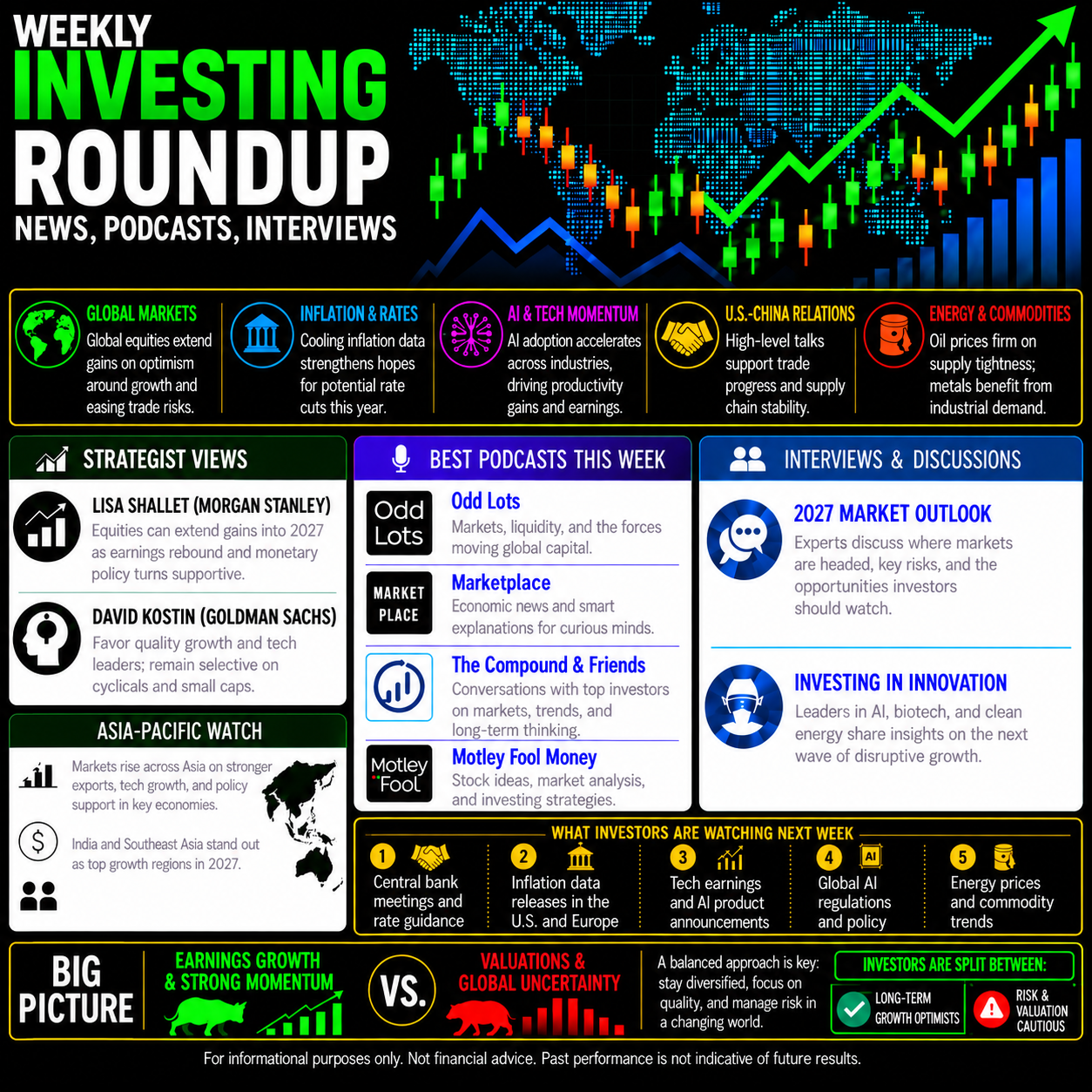 Weekly Investing Roundup – News, Podcasts, Interviews (11/06/2026)
 Netflix Stock Valuation: Is Netflix Undervalued Compared to YouTube?